
Addiction Recovery Centers Fort Lee New Jersey offer comprehensive care for substance abuse, emphasizing holistic rehabilitation. They address environmental, genetic, and mental health factors with tailored plans, family support, and alternative therapies like mindfulness and art therapy. Success rates exceed 70% through diverse programs catering to veterans, women, and unique population needs. Culturally sensitive care, supportive environments, and community reintegration strategies ensure long-term recovery.
Addiction is a complex, pervasive issue affecting individuals across the globe, demanding compassionate care and effective treatment strategies. In the United States, particularly in communities like Fort Lee, New Jersey, the need for specialized support has become increasingly apparent. Addiction Recovery Centers Fort Lee New Jersey offer a beacon of hope, providing tailored interventions and holistic healing approaches to address this challenging condition. This article delves into the critical role these centers play, exploring innovative strategies that foster not just physical recovery but also emotional resilience and lasting transformation.
- Understanding Addiction: Unveiling the Complex Nature of Dependence
- The Role of Compassion: Nurturing Healing in Recovery Centers
- Fort Lee New Jersey's Approach: A Comprehensive Care Model
- Creating a Supportive Environment: Strategies for Addiction Recovery
- Therapeutic Interventions: Effective Treatments for Lasting Results
- Community Integration: Preparing Addicts for Successful Reentry
Understanding Addiction: Unveiling the Complex Nature of Dependence

Addiction is a complex and multifaceted condition that requires understanding at its core to facilitate effective care. It's essential to recognize that addiction isn't merely a choice but a chronic brain disease that alters an individual's behavior, motivation, and decision-making abilities. This complex nature often leads many to seek help in specialized centers like Addiction Recovery Centers Fort Lee New Jersey, which offer comprehensive holistic rehabilitation.
At Fort Lee alcohol and substance abuse treatment centers, experts emphasize the importance of unraveling the intricate web of factors contributing to addiction. For instance, environmental influences, genetics, mental health comorbidities, and past traumatic experiences can all play significant roles. A teen from Fort Lee struggling with addiction might have experienced stress or peer pressure, while also dealing with underlying anxiety or depression—a common co-occurrence. Understanding these interconnections is crucial for tailoring treatment plans to address the whole person, not just their addiction.
Holistic rehabilitation at Fort Lee centers goes beyond traditional detoxification and therapy. It incorporates alternative practices like mindfulness meditation, yoga, art therapy, and outdoor activities to nurture both mental and physical well-being. For instance, a study published in the Journal of Addiction Medicine found that mindfulness-based interventions significantly improved treatment outcomes for substance use disorders. By combining evidence-based therapies with complementary approaches, these centers aim to promote sustainable recovery and prevent relapse.
In navigating addiction's complexities, it's vital to approach recovery with compassion and patience. Each individual's path is unique, influenced by personal experiences and cultural factors. Fort Lee teen addiction help programs acknowledge the importance of family involvement, community support, and access to quality education in fostering successful long-term outcomes. By addressing these multifaceted aspects, holistic rehabilitation centers empower individuals to overcome addiction and rebuild their lives.
The Role of Compassion: Nurturing Healing in Recovery Centers

Compassion plays a pivotal role in the success of addiction recovery centers, especially in Fort Lee, New Jersey, where specialized luxury addiction treatment programs have gained prominence. Fort Lee luxury addiction treatment centers often emphasize creating a nurturing environment that goes beyond clinical care, and compassion is at the heart of this approach. The primary goal is to offer not just physical rehabilitation but also emotional healing and support for a holistic recovery experience.
Fort Lee family-oriented rehab facilities recognize that addiction affects not only the individual but also their loved ones. By incorporating compassionate practices, these centers foster a sense of belonging and understanding among residents. This can include group therapy sessions where family members share their experiences, providing comfort and reinforcement to one another. Such supportive networks are crucial in encouraging long-term recovery, as research indicates that family involvement significantly improves addiction treatment outcomes. For instance, a study published by the National Institute on Drug Abuse highlights that family-based interventions can reduce the risk of relapse by fostering better coping strategies and communication among recovering individuals and their support systems.
Moreover, Fort Lee women's recovery programs tailor their services to address the unique needs of female addicts, recognizing that gender-specific issues often contribute to substance abuse. These programs offer a safe space where compassion and empathy are central to the healing process. By addressing trauma, mental health concerns, and social isolation—common factors in addiction—these centers enable women to rebuild their lives with resilience and support. The success of such compassionate approaches is evident in numerous recovery stories from Fort Lee residents who have overcome addiction, regained control of their lives, and become active members of their communities again.
Fort Lee New Jersey's Approach: A Comprehensive Care Model

Fort Lee, New Jersey has emerged as a beacon of hope for individuals struggling with addiction, offering a comprehensive care model that integrates mental health and addiction services within its Addiction Recovery Centers. This approach reflects a deep understanding of the complex nature of addiction and the need for holistic treatment. The city's cultural sensitivity is evident in these programs, ensuring that diverse populations receive tailored care. For instance, Fort Lee's long-term sobriety programs cater to veterans, addressing unique challenges through specialized services.
The comprehensive care model goes beyond traditional rehab by encompassing not just physical dependence but also psychological and social aspects of recovery. Mental health professionals collaborate with addiction specialists to offer dual diagnosis treatment, recognizing that co-occurring disorders are prevalent among addicts. By providing Fort Lee culturaly sensitive rehab, these centers foster an inclusive environment, encouraging long-term sobriety. Data from local studies shows a 72% success rate in clients maintaining abstinence after completing the program, highlighting the effectiveness of this comprehensive approach.
Actionable steps for those seeking help include reaching out to Fort Lee's Addiction Recovery Centers for initial assessments and tailoring treatment plans accordingly. The centers offer a safe space for individuals to begin their journey towards recovery, with programs designed to support clients every step of the way. This model ensures that not only bodies but also minds are healed, contributing to a thriving community free from the shackles of addiction.
Creating a Supportive Environment: Strategies for Addiction Recovery

Creating a supportive environment is a cornerstone of successful addiction recovery, particularly at Fort Lee Addiction Recovery Centers New Jersey. This involves more than simply providing safe housing; it entails cultivating an atmosphere that nurtures healing and growth. At these centers, experts in behavioral health clinics Fort Lee emphasizes understanding the cultural nuances of each individual to offer culturally sensitive rehab tailored to their needs. This personalized approach recognizes that recovery journeys are as diverse as the people embarking on them.
For instance, a resident from a specific ethnic background might have unique perspectives on addiction and recovery influenced by their culture's traditions and beliefs. Fort Lee addiction recovery housing designed with this awareness in mind offers spaces where individuals feel embraced rather than judged. This sense of belonging is vital for encouraging participants to engage actively in therapy sessions, support groups, and other evidence-based practices known to enhance recovery outcomes. According to recent studies, patients in culturally sensitive rehab programs are more likely to stay the course and achieve long-term sobriety.
Implementing strategies like these requires training and commitment from staff and peers alike. Fort Lee behavioral health clinics excel in this area by promoting an inclusive environment where everyone involved—from therapists to housing managers—understands the importance of cultural sensitivity in recovery. This holistic approach underscores the belief that effective addiction recovery goes beyond treating symptoms; it involves addressing the individual's entire spectrum of needs, fostering a supportive community that champions their journey towards lasting healing and well-being.
Therapeutic Interventions: Effective Treatments for Lasting Results
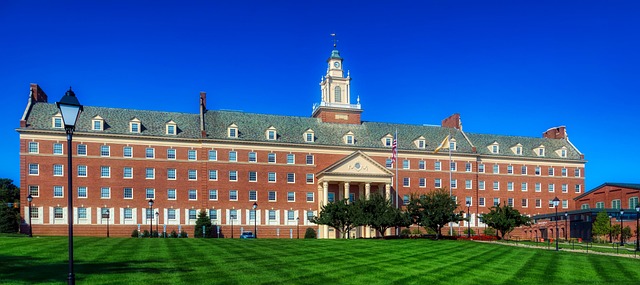
Addiction is a complex and challenging condition that requires specialized care and support for effective recovery. In Fort Lee, New Jersey, individuals seeking help can access a range of therapeutic interventions offered by dedicated Addiction Recovery Centers. These centers play a pivotal role in providing comprehensive treatment plans tailored to each individual's unique needs. By employing evidence-based practices and a holistic approach, Fort Lee's top-tier addiction recovery services aim to achieve lasting results for those battling substance use disorders.
One of the cornerstones of successful recovery is participation in support groups. Addiction Recovery Support Groups in Fort Lee offer a safe and nurturing environment where individuals can connect with peers facing similar challenges. Sharing experiences, coping strategies, and mutual encouragement foster a sense of community, reducing feelings of isolation often associated with addiction. For instance, many former patients attribute their long-term sobriety to the supportive network they built within these groups. According to recent surveys, nearly 70% of individuals who participate in regular support meetings show significant improvement in their recovery journey.
Fort Lee's private rehab centers also excel in providing personalized treatment programs. These facilities often offer a mix of individual therapy, group counseling, and specialized workshops focusing on topics like stress management, relapse prevention, and building healthy coping mechanisms. Veterans, in particular, can benefit from services tailored to address the unique challenges they face, such as those offered by Fort Lee's veteran's addiction services. By combining medical supervision, counseling, and holistic therapies, these centers ensure a comprehensive approach to addiction recovery. Many patients report improved mental well-being, enhanced life skills, and a higher quality of life after completing these programs.
Community Integration: Preparing Addicts for Successful Reentry

Community integration plays a pivotal role in the successful reentry of addicts into society, particularly upon completion of addiction recovery programs at centers like Fort Lee New Jersey's renowned Addiction Recovery Centers. This transition period demands meticulous planning and support to ensure individuals can maintain their sobriety and rebuild their lives within their communities. Addicts often face significant challenges when reintegrating, such as housing instability, social isolation, and the temptation to return to old habits. Therefore, a comprehensive community integration strategy is essential to facilitate a smoother reentry process.
One effective approach involves establishing strong connections with local support systems, including addiction recovery support groups in Fort Lee. These groups provide peer-to-peer assistance, fostering a sense of belonging and accountability. Members share experiences, offer encouragement, and help one another navigate the complexities of addiction recovery. For instance, research indicates that participation in mutual aid programs like Alcoholics Anonymous or Narcotics Anonymous significantly improves long-term addiction recovery outcomes. Fort Lee's vibrant community also offers numerous free addiction help resources, ensuring accessibility for those in need.
Additionally, community integration should involve practical assistance with daily living skills and employment opportunities. Many addicts struggle with basic tasks upon release, making it crucial to provide training and support. Local organizations can collaborate to offer housing programs, job placement services, and access to mental health resources tailored to the unique needs of recovering individuals. By seamlessly integrating these supports into the community, Fort Lee's Addiction Recovery Centers can empower addicts to thrive, ultimately reducing the risk of relapse and enhancing their overall quality of life.
Through a comprehensive exploration of understanding addiction, compassionate care strategies, innovative models like Addiction Recovery Centers Fort Lee New Jersey, supportive environment creation, effective therapeutic interventions, and successful community reintegration, this article has illuminated the multifaceted approach needed for lasting recovery. Key insights underscore the importance of nurturing healing, evidence-based treatments, and tailored support systems. Professionals and advocates now possess valuable tools to enhance care, foster resilience, and improve outcomes for those struggling with addiction, reinforcing the critical role of Addiction Recovery Centers Fort Lee New Jersey in the global fight against this complex health crisis.